
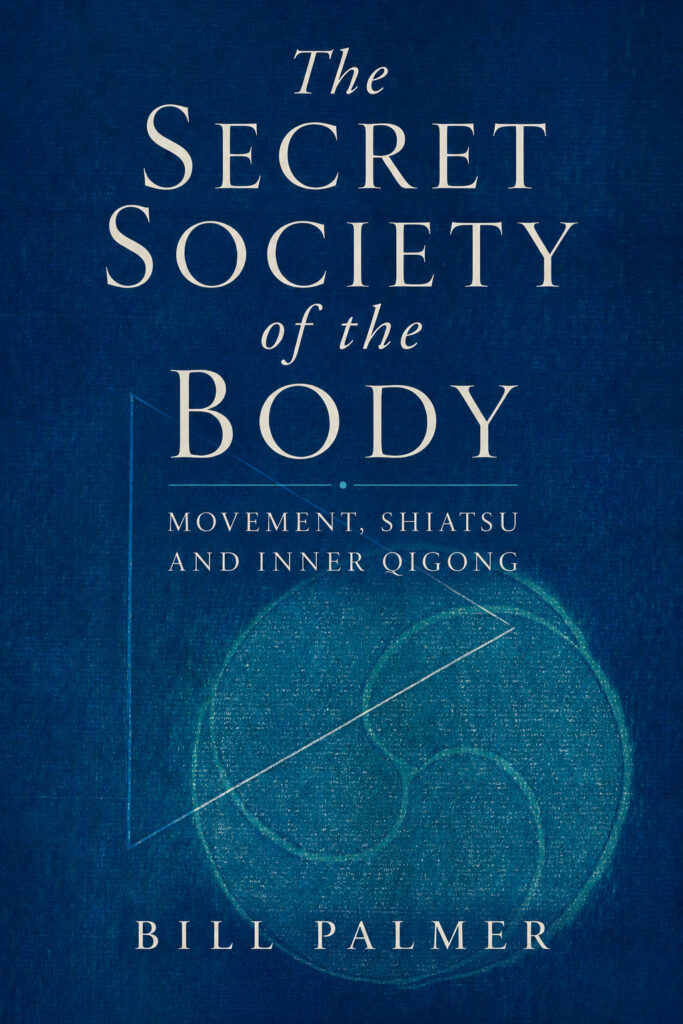
The Secret Society of the Body
Your body is never silent. Your shoulder may tighten before you know that you are afraid. Your stomach may contract and feel nauseous when you make a thoughtless decision. A muscle that has carried too much for too long may refuse to relax—not because it is faulty, but because it has not been heard.
Each part of the body has feelings. Not feelings in the same way that a person has them, but expressed in sensitivity, memory, intention and movement. Every tissue participates in the life of the whole, and every part has its own way of speaking. The body’s language is made of sensation and movement. When we learn to listen to it, the body ceases to be a vehicle that we control and becomes a community to which we belong.
We call this the Inner Community and this is the Secret Society in the title of the book.
This new mindset changes the process of therapy. People usually come to therapy because they want something to change. They may want to get rid of pain, recover from illness, move more freely or resolve emotional distress. Often they feel powerless and hope that the practitioner will diagnose the fault and make it disappear. Of course, there are times when this is necessary, particularly in acute or dangerous illness. But in long-term and chronic situations, the desire for change can become part of the problem because the real issue is their dysfunctional relationship with the body.
A part of the body that is overridden, unheard and ignored may become dispirited and passive, dragging on the body’s freedom of movement. A part of the body that is overwhelmed by a painful experience may bury itself, numbing the pain by disconnecting from its neighbours and staying immobile. Another part may then work harder to compensate, accumulating stress as it tries to keep life moving. If therapy focuses only on correcting the stressed part, or trying to activate the hidden part, both may feel misunderstood. The former because it is treated as a problem to be removed, although it has been loyally carrying extra work. The latter because it feels the pressure to be come out of hiding, although it may have withdrawn for a good reason.
Paradoxically, letting go of the desire to change can be the only way in which real change becomes possible. When compensatory stress is recognised as an act of service rather than a defect, the burden can be shared. When the whole body shares in the care and protection of the vulnerable part then the latter feels safe to gradually come to the surface and join with the rest of the inner community.
International Courses and Editions
The book and courses based on it will be available from these international centres.
Australia
United States
Station Hill Press
Spain
Escuela de Shiatsu y Movimiento
Frequently Asked Questions
What is the Book about?
This book has been cooking for over 26 years. It describes the development of a new mindset for doing physical therapies in which the therapist moves away from the process of diagnosis and treatment of a passive client towards being a guide showing the client how to explore the intelligence of the body.
How much does the Book cost?
RRP is £36 and the first 50 people to buy it will get 1/3rd off making it £24. If you have registered to receive the link for buying it, you will receive the link before it goes public, so you will have more chance of getting the discount.
When will the Book be released?
18th August 2026
Are signed copies available?
We will be signing copies at Hunter and Raven Bookshop in Frome